Introduction
Period panties have become a popular alternative to disposable pads and tampons. Designed to look and feel like regular underwear, they feature built-in absorbent layers that help manage menstrual flow and reduce the risk of leaks.
But do period panties really work? Can they handle heavy flow? And what makes one pair more effective than another?
The answer depends on the absorbency, fabric construction, fit and intended use of the underwear. Understanding how period panties work can help brands develop better Menstrual Underwear Suppliers for their customers.
Do Period Panties Really Work?
Yes, period panties can work well when their absorbency and construction match the wearer's needs. They are designed to absorb menstrual fluid, retain it within the gusset and help prevent it from reaching outer clothing.
1.Multi-Layer Construction Helps Manage Menstrual Flow
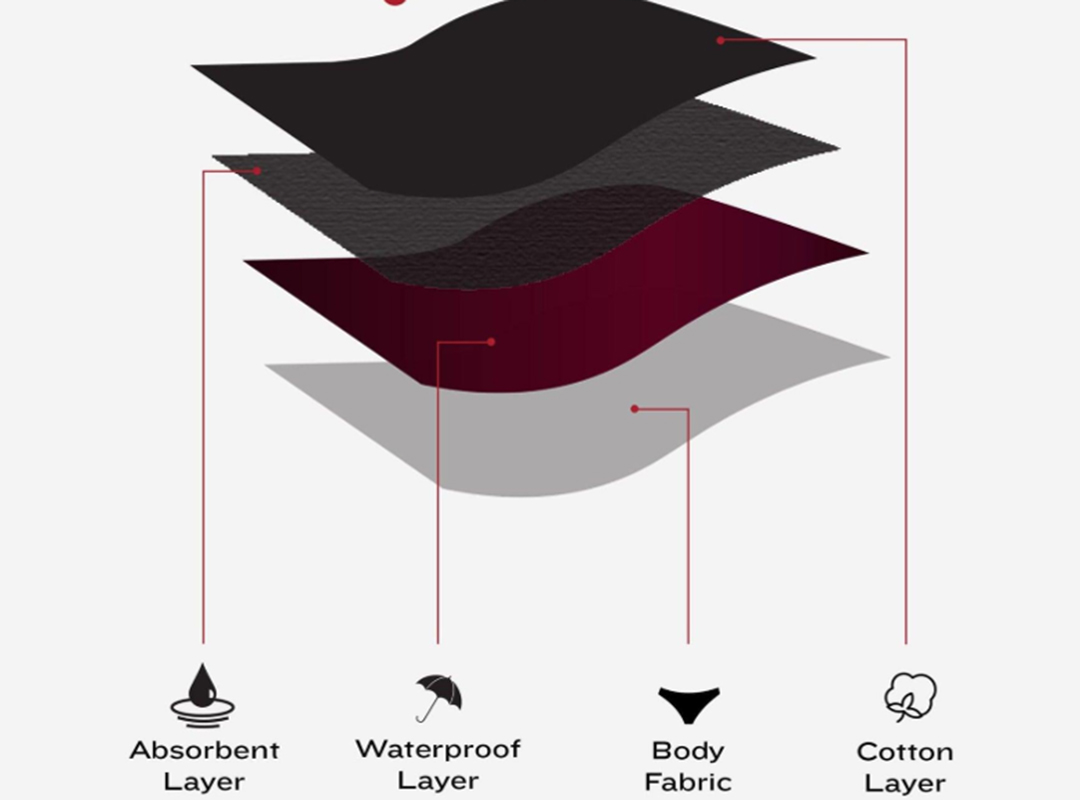
Unlike regular underwear, period panties typically feature a gusset made with multiple functional layers. Each layer serves a different purpose, and the combination helps balance absorbency, comfort and leak protection.
A typical construction may include:
· Skin-contact layer: The layer closest to the body, selected for comfort and its ability to manage moisture at the surface.
· Absorbent layer: Helps take in and retain menstrual fluid within the gusset.
· Leak-resistant layer: Helps prevent fluid from passing through to outer clothing.
· Outer fabric: Forms the main body of the underwear and contributes to fit, stretch and overall comfort.
The exact number of layers and the materials used vary by product design. Some constructions combine functions into fewer layers, while others use additional layers to achieve specific performance targets.
The image below shows the actual fabric layers of a period underwear sample, offering a closer look at how the gusset is constructed.
For underwear brands developing their own Wholesale Period Underwear Collections, fabric selection and layer combination are important considerations. The right construction can help balance absorbency, softness, gusset thickness and flexibility.
2.Different Absorbency Levels Suit Different Flow Days
Not everyone has the same menstrual flow, so period panties are available in different absorbency levels.
Light absorbency styles may suit spotting or lighter days, while moderate and higher absorbency designs may be more suitable for heavier flow. Overnight period underwear may also feature an extended gusset to provide additional coverage while lying down.
When choosing period panties, it is important to look beyond product labels such as "heavy flow" or "overnight." Actual performance depends on the garment's construction and tested absorbency.
Laboratory absorption capacity does not always equal the amount of fluid a person can comfortably retain during everyday wear. Fit, body movement and the distriution of fluid can all affect actual performance.
For heavier days, changing into a fresh pair when needed or using period panties as backup protection with another menstrual product may provide additional reassurance.
3. Fit and Gusset Coverage Help Reduce Leaks
Absorbency alone does not guarantee leak protection. Even highly absorbent period underwear may leak if the gusset is too narrow, the coverage is insufficient or the garment does not fit properly.
A well-designed gusset should provide appropriate front-to-back coverage for its intended use. The waist and leg openings should also fit comfortably without leaving gaps or creating excessive pressure.
For overnight styles, extending the absorbent area towards the back can help provide additional coverage while sleeping.
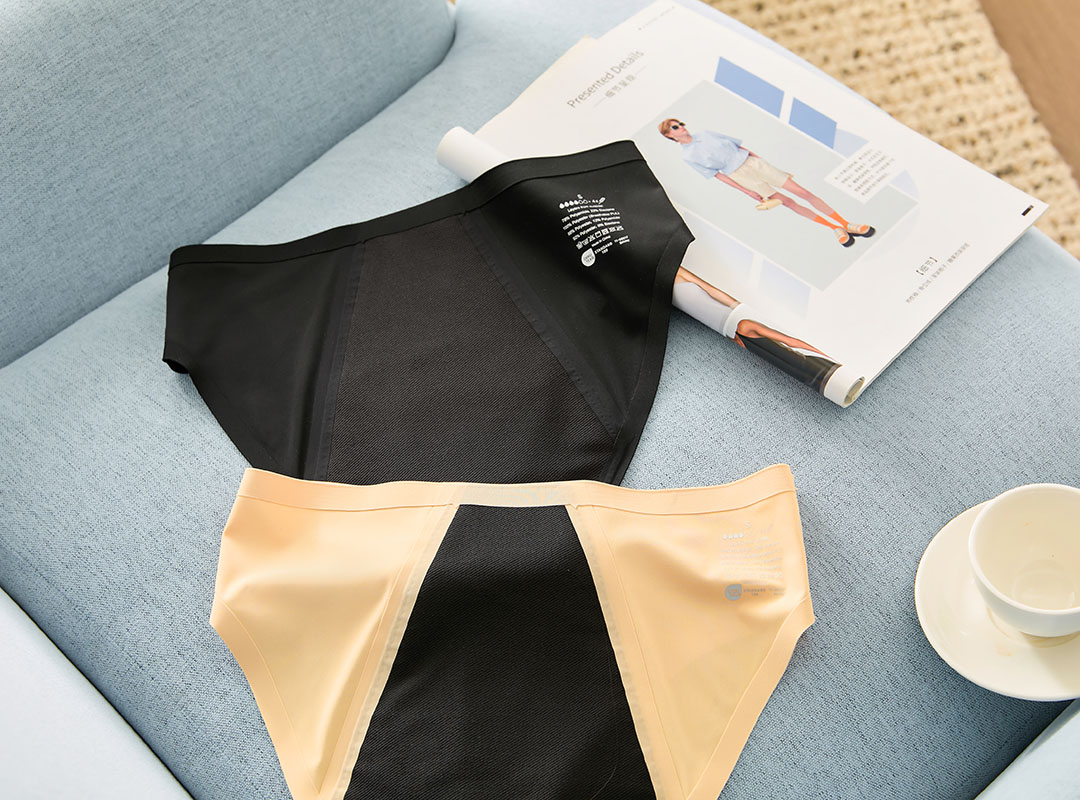
For brands developing period panties, pattern shape, gusset width, fabric stretch and seam placement all deserve attention during product development. These details can affect both comfort and protection.
4. Fabric Choice Affects Comfort and Everyday Performance
Period panties need to do more than absorb fluid. They should also feel comfortable against the skin, fit well and remain practical after repeated washing.
Cotton is commonly considered for skin-contact layers because of its familiar feel. Modal and other cellulosic fibres may also be suitable options when softness and drape are priorities. Microfiber fabrics can be used in different parts of the construction, depending on the required performance.
The best fabric combination depends on the product's intended use.
For example, lightweight everyday period underwear may require a different construction from heavy flow or overnight styles. Adding absorbent material may increase capacity, but it can also make the gusset thicker and affect drying time.
The challenge is to balance absorbency, leak protection, softness, stretch and overall thickness.
What Should Brands Consider When Developing Period Panties?
When developing period panties, brands need to balance several key factors:
· Absorbency: Match the absorbency level to the target market and intended use.
· Fabric selection: Choose materials that balance softness, moisture management and durability.
· Gusset construction: Optimize layer combinations to balance protection and thickness.
· Fit and coverage: Ensure the pattern provides comfortable wear and appropriate leak protection.
· Wash durability: Maintain performance after repeated washing.
The challenge is getting these elements to work together without compromising comfort or creating an unnecessarily bulky gusset.
Want to Develop Period Panties That Really Work? Let's Work Together
For brands developing a period underwear collection, the real challenge is finding the right balance between absorbency, leak protection and everyday comfort — without making the gusset unnecessarily thick or bulky.
At CHUANGRONG Apparel, we work with intimate apparel brands on OEM and ODM underwear development, depending on your product goals, we can explore different development options, including:
· Gusset construction: Finding suitable fabric layer combinations for the intended absorbency and coverage.
· Fabric selection: Evaluating materials for softness, stretch, comfort and moisture management.
· Gusset thickness: Balancing absorbency with a slimmer, more comfortable feel.
· Style development: Adapting briefs, bikinis and other underwear styles to your target market.
· Performance evaluation: Assessing relevant properties such as absorbency, leakage resistance and wash durability according to project requirements.
Every brand has its own priorities. Whether you are developing everyday period panties or a collection for heavier flow, the right construction starts with understanding your target customer, performance expectations and product positioning.
Have a period underwear design in mind? Share your ideas and product requirements with CHUANGRONG Apparel. We'd be happy to discuss fabric options, gusset construction and manufacturing possibilities for your next collection.
Email: Lexie@Sharicca.com
Email: Info@Sharicca.com


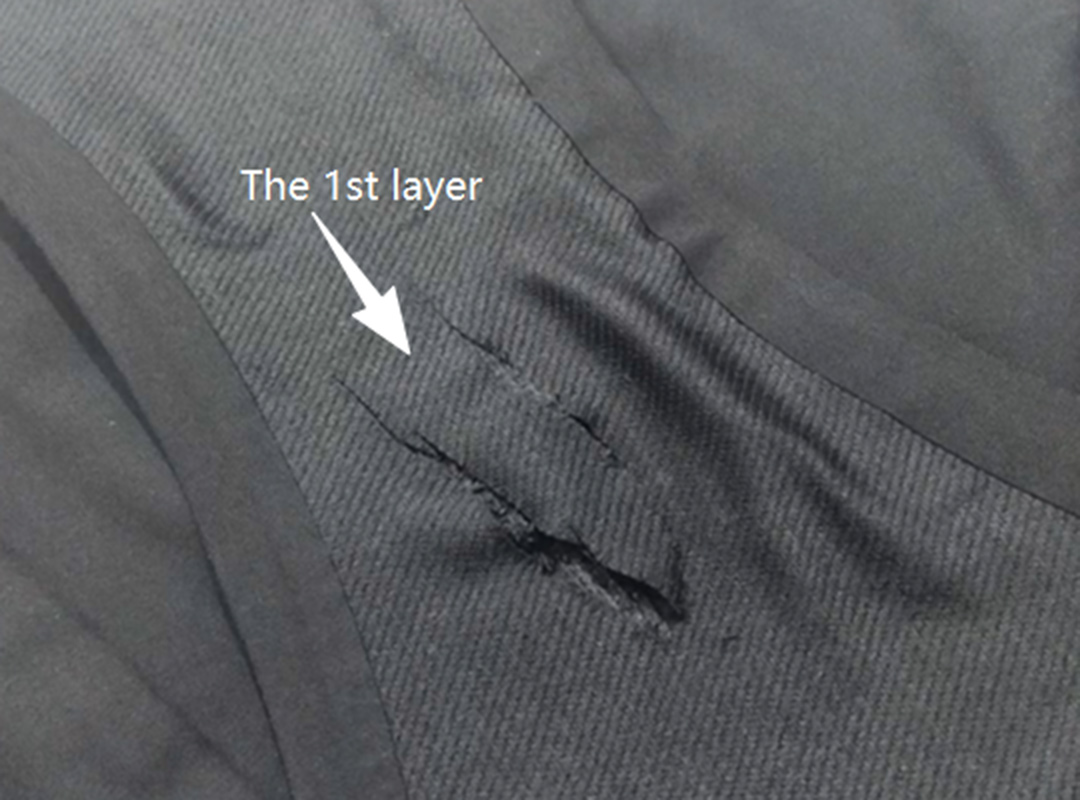 Skin ContacyComfort and manage moisture at the surface
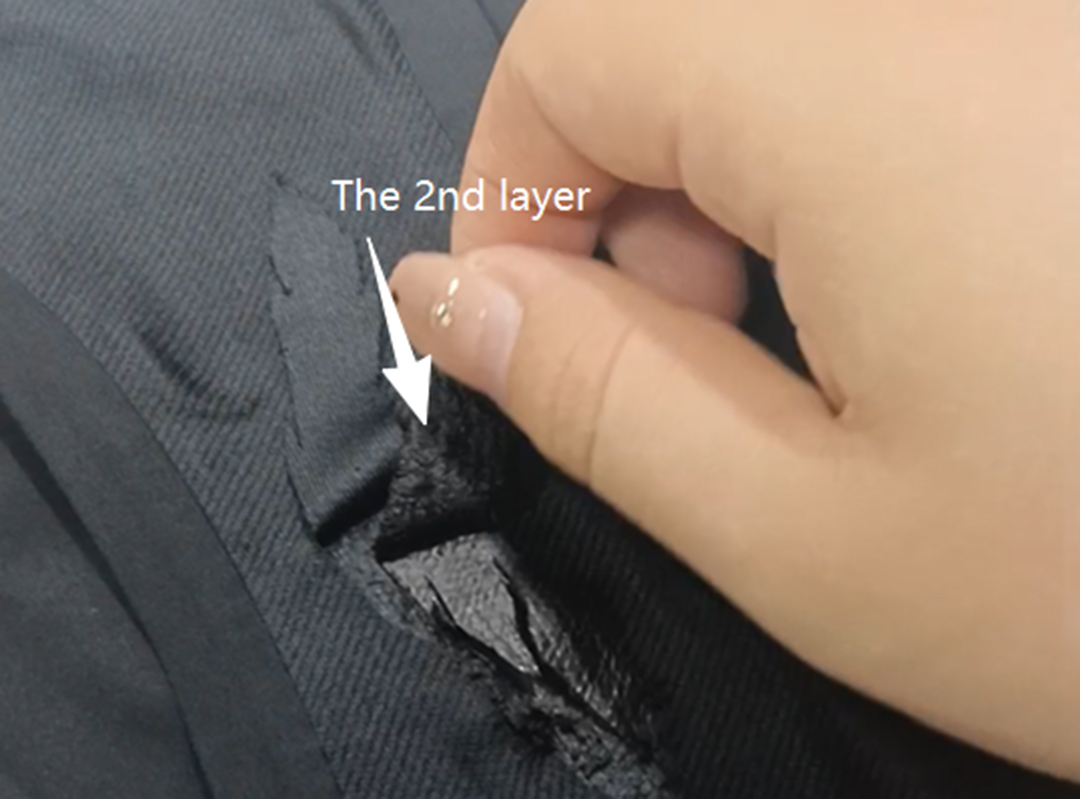 Absorbent LayerDouble side towelling fabric
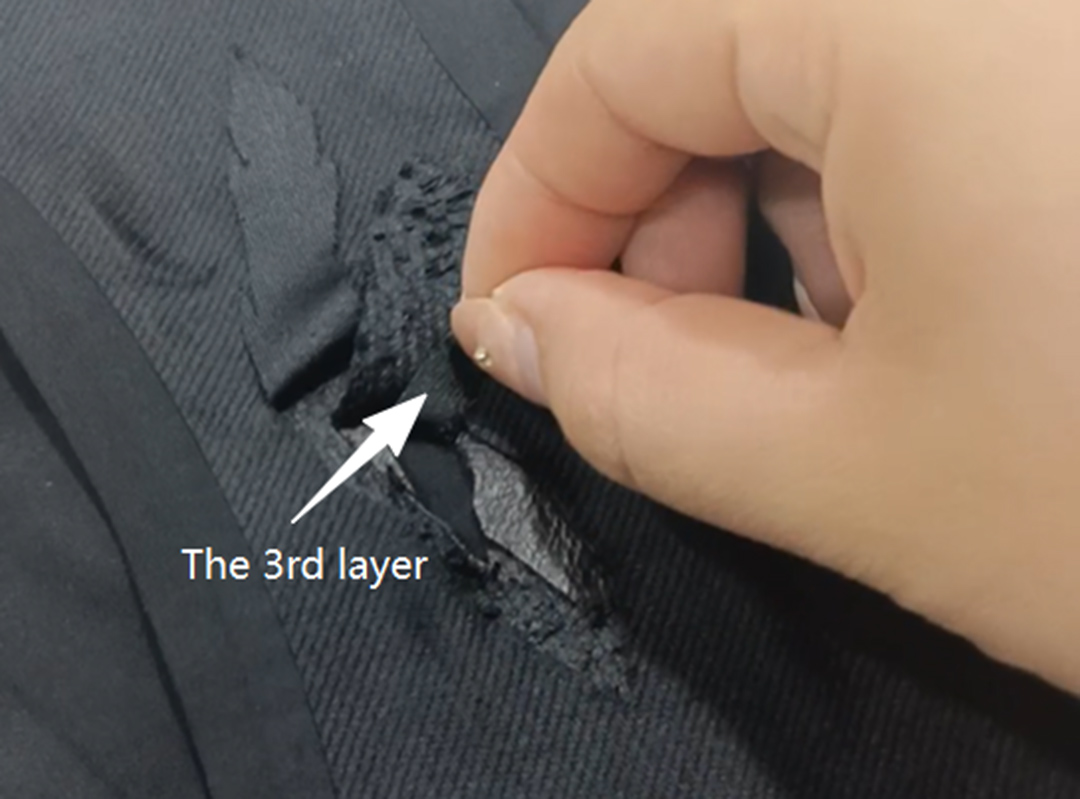 Leak Resistant LayerMicro fiber bonded to high-temperature waterproof membrane
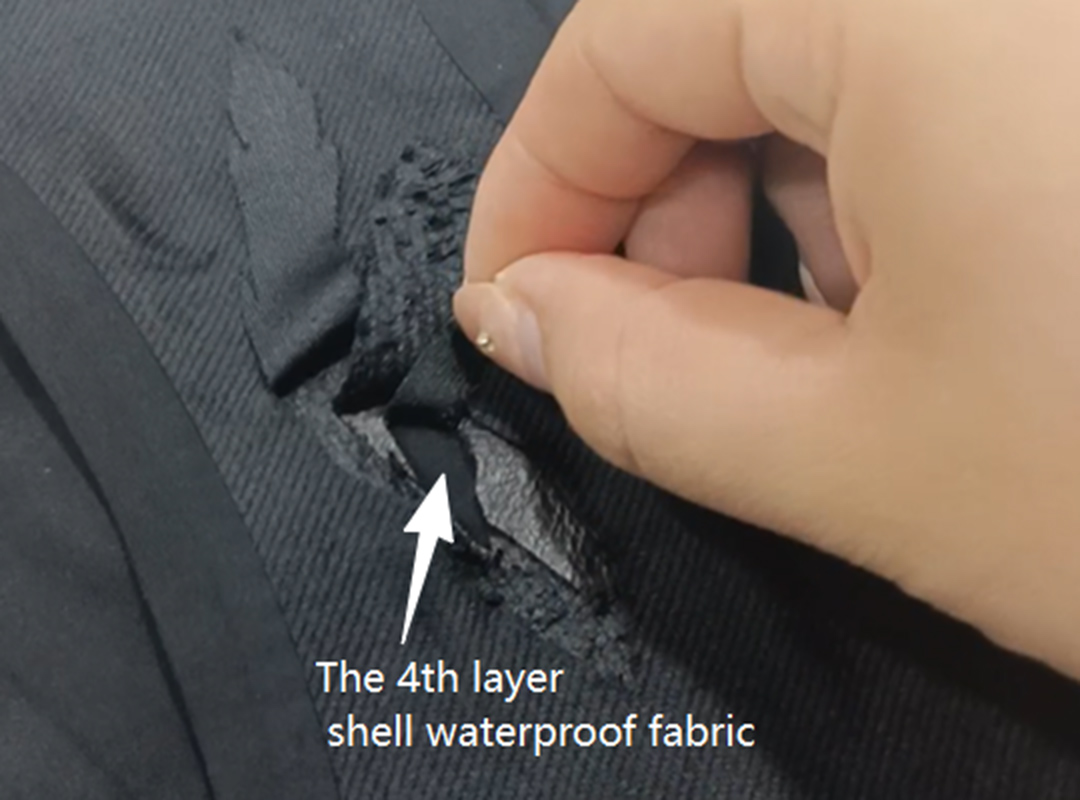 Outer FabricWaterproof shell fabric


